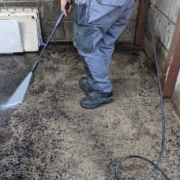
Powerwashing at Edinburgh communal bins after removing rubbish and rats.

Edinburgh is full of beautiful period homes: Georgian townhouses, Victorian tenements, and traditional stone cottages that give the city its character. But that same charm comes with a downside: older buildings were never designed with modern pest prevention in mind. Original sash windows, suspended timber floors, shared stairwells and ageing roof spaces all create opportunities for pests to get in and settle down.

If you own, rent, or manage a period property anywhere across Edinburgh, the Lothians, or the Scottish Borders, learning how to pest-proof it properly can save you a great deal of hassle. This guide walks through why older buildings are more vulnerable, the most common entry points, and the practical steps you can take yourself as well as when it’s time to bring in a professional.

Why Period Properties Are More Vulnerable to Pests

Older buildings tend to have more gaps, cracks and irregularities than modern new-builds. Materials shift over time, mortar wears away, and timber can warp or rot. None of this is unusual for a building that might be well over a century old, but it does mean there are simply more ways in for mice, rats, insects and birds.

Tenement blocks add another layer of complexity. Shared stairwells, communal bin areas, and connected roof spaces mean that a pest problem in one flat can easily spread to neighbouring properties. This is one of the reasons pest issues in Edinburgh’s New Town and Old Town tenements can be trickier to resolve than in a standalone modern house.

Common Entry Points in Edinburgh’s Older Buildings

Before you can pest-proof a property, it helps to know where pests are most likely to get in.

Sash Windows and Old Frames

Traditional sash windows are a hallmark of Edinburgh’s architecture, but the gaps around worn frames, sash boxes and window sills are a common entry point for insects and even small rodents, particularly on ground and lower floors.

Chimneys and Roof Spaces

Unused or poorly capped chimneys are a well-known route for birds and, occasionally, wasps looking for a nesting spot in spring and early summer. Roof spaces in older properties often have gaps around slates, lead flashing or eaves that go unnoticed for years.

Suspended Timber Floors

Many period properties, particularly in the Lothians and Borders, still have suspended timber ground floors with underfloor voids. Airbricks and vents into these spaces are useful for damp control, but if they’re damaged or missing a grille, they can become an easy way in for mice and rats.

Shared Stairwells and Bin Stores

In tenement blocks, communal areas are often overlooked when it comes to pest prevention because no single resident feels responsible for them. Gaps under closed doors, damaged bin store doors, and general food waste left in shared areas can all attract rodents and gulls.

Pipework and Utility Entry Points

Gaps around pipes, cables and vents entering the property, especially where later plumbing or electrical work has been added to an older structure, are frequently unsealed or only loosely filled.

Practical Pest-Proofing Steps You Can Take

Prevention is almost always cheaper and less disruptive than dealing with an established infestation. Here are sensible, low-risk steps most homeowners, tenants and landlords can carry out:

  • Seal obvious gaps and cracks around windows, door frames, and where pipework enters the building, using appropriate fillers or sealant.
  • Fit bristle or brush strips to the bottom of external doors, particularly on tenement close doors and ground-floor flats.
  • Check airbrick and vent grilles are intact and not damaged or missing, as these are a common entry point for rodents.
  • Keep chimneys capped if they’re not in regular use, using a proper cowl rather than makeshift coverings.
  • Store food in sealed containers, including pet food, and avoid leaving crumbs or spillages that attract insects and rodents.
  • Manage bins properly, making sure lids close fully, and bin stores are kept clean, particularly in shared tenement areas.
  • Trim back vegetation touching the building, as overgrown plants and ivy can give pests a route up to roof spaces and windows.
  • Address damp promptly, since damp timber attracts wood-boring insects and can weaken structures, creating further gaps.

These measures reduce the likelihood of a pest problem taking hold, but they won’t remove an existing infestation, and they’re not a substitute for a proper inspection if you’re already noticing signs of activity, such as those covered in our guide on signs you may have a pest problem around your home or garden.

Special Considerations for Tenements and Shared Buildings

If you live in or manage a shared Edinburgh tenement, pest-proofing is rarely a one-flat job. A mouse getting into one property via a shared stairwell or roof void can just as easily move between several flats. It’s worth:

  • Raising pest-proofing as a topic with your factor or residents’ association, particularly around shared bin stores and close doors.
  • Reporting early signs of activity to neighbours and the factor, rather than assuming it’s an isolated issue.
  • Being cautious with DIY rodenticides or traps in communal areas, since these can pose risks to pets, children, and non-target wildlife if not placed correctly.

For established rodent problems, our rodent control service in Edinburgh covers both individual flats and full tenement blocks, with treatment plans designed around shared access points. If gulls or pigeons are nesting on a shared roof, our bird control service offers humane deterrent options that reduce mess and noise without harming the birds.

Prevention vs Professional Pest Control: Know the Difference

It’s worth being clear about where DIY prevention ends and professional pest control begins.

Sealing gaps, fitting brush strips, tidying communal areas, and keeping food properly stored are all sensible things any homeowner, tenant, or landlord can do. They reduce risk, but they can’t guarantee a pest-free property, and they’re not appropriate once pests are already established.

If you’re dealing with an active infestation mice or rats already in the property, a wasp nest in the loft, birds nesting in a chimney, or an insect infestation such as bed bugs this is where professional treatment is needed. Attempting to remove an established nest, use professional-grade pesticides, or handle rodenticides without the right training can be ineffective at best and unsafe at worst. A trained pest controller can identify the extent of the problem, treat it safely, and advise on how to stop it recurring, something that’s covered in more depth in our common pests in Edinburgh homes guide.

Advice for Landlords with Period Properties

If you own or manage rental properties in Edinburgh’s period housing stock, pest-proofing is also part of your responsibility to tenants. A well-maintained property with sealed entry points and good ventilation is far less likely to develop a pest problem that disrupts a tenancy or leads to a complaint.

Regular property inspections are a good opportunity to check for early warning signs: droppings, gnaw marks, damaged airbricks, or nesting material in roof spaces before they become a bigger issue. Our landlord pest control service is built around this kind of proactive approach, offering discreet inspections and treatment that keep tenants reassured and properties protected, whether you manage a single flat or a larger portfolio across Edinburgh, Midlothian, East Lothian, West Lothian, or the Scottish Borders.

Conclusion

Edinburgh’s period properties are part of what makes the city special, but their age means pest prevention needs a bit more thought than it would in a modern new-build. Sealing obvious gaps, maintaining airbricks and chimneys, managing food waste, and staying alert to early warning signs will all help keep mice, rats, birds and insects out. But prevention has its limits once pests are established; professional treatment is the safer and more effective route.

If you’ve noticed signs of pest activity in your Edinburgh home, tenement, or rental property, get in touch with Anglo Scottish Pest Control for a proper inspection and a treatment plan tailored to your property.

Frequently Asked Questions

Q1: How do I know if my period property has a pest problem rather than just old building quirks? Look for specific signs such as droppings, gnaw marks on wood or wiring, greasy smear marks along skirting boards, nesting material in roof spaces, or unusual scratching sounds, particularly at night. Isolated creaks or draughts are more likely to be general building age, but a combination of these signs suggests it’s worth arranging an inspection.

Q2: Can I pest-proof my flat if I live in a shared tenement? You can take steps within your own flat, such as sealing gaps and fitting brush strips to doors, but tenement pest-proofing is most effective when it includes communal areas like stairwells, bin stores, and shared roof spaces. It’s worth raising this with your factor or neighbours if you notice signs of activity.

Q3: Are old sash windows really a pest entry point? Yes, worn or poorly maintained sash windows often have small gaps around the frame and sash box that insects, and occasionally small rodents, can exploit. Keeping frames well maintained and sealed reduces this risk.

Q4: Is it safe to block up an old chimney myself to stop birds nesting? Fitting a proper chimney cowl is a sensible preventative step, but chimneys still in occasional use need suitable ventilation, and it’s worth checking whether any birds have already nested before sealing anything, since some species are protected. If you’re unsure, a professional bird control assessment is the safer option.

Q5: What’s the difference between pest-proofing and pest control treatment? Pest-proofing is preventative sealing entry points, managing food and waste, and maintaining the building to make it less attractive to pests. Pest control treatment is what’s needed once pests are already present, involving inspection, targeted treatment, and follow-up to make sure the problem doesn’t return.

Q6: How often should landlords check period rental properties for pest risks? There’s no fixed rule, but checking during routine inspections, at the start and end of tenancies, and whenever a tenant reports a concern is good practice. Older properties in particular benefit from an annual check of airbricks, roof spaces, and external walls.

Q7: Do I need professional help for a mouse problem, or can I deal with it myself? Basic prevention, such as sealing entry points, can be done yourself. However, once mice are established in a property, particularly in a tenement with shared voids, professional treatment is usually more effective and safer than DIY traps or rodenticides, which can be misused or pose risks to pets and children if not handled correctly.
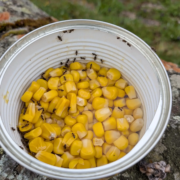
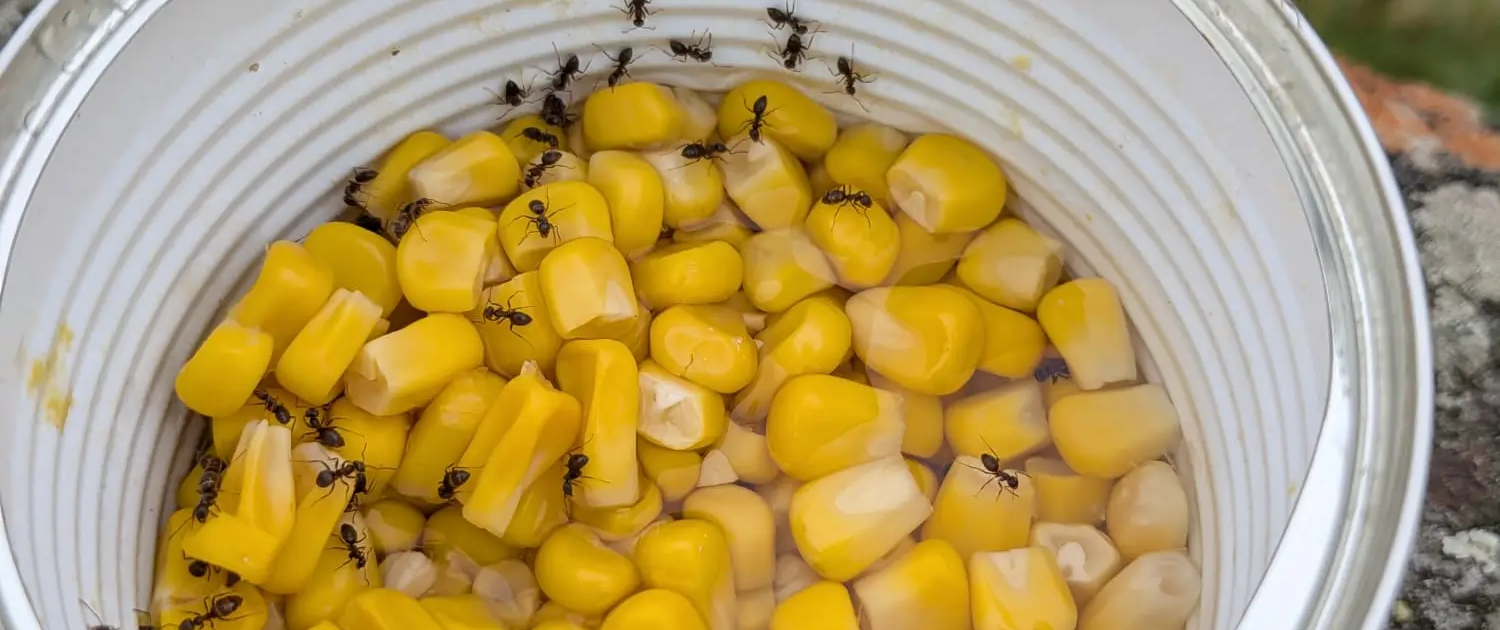
picture showing ants in a bowl of sweetcorn in edinburgh

picture showing ants in a bowl of sweetcorn in edinburgh

Small warning signs around your property can sometimes point to a much bigger issue developing behind the scenes. Many homeowners across Edinburgh, the Lothians and central Scotland first notice a pest problem through unusual smells, scratching noises, droppings or repeated activity around bins, sheds or loft spaces rather than actually seeing the pest itself.

Knowing the signs you may have a pest problem around your home or garden can help you act early before the issue spreads further or causes damage. Rodents, insects, wasps and birds often leave evidence long before they become obvious, especially in older properties, garden outbuildings and areas with easy access to food, warmth or shelter.

If you are unsure what you are dealing with, speaking to a local pest control specialist early can often prevent a more serious infestation later on. Anglo Scottish Pest Control has supported households across Edinburgh, Midlothian, East Lothian, West Lothian and the Scottish Borders since 1989 with discreet domestic pest control services and practical advice.

Why Early Pest Warning Signs Matter

Pest problems rarely appear overnight. In many cases, there are small warning signs first. Catching those signs early can help reduce the risk of:

  • Damage to wiring, insulation or stored items
  • Food contamination
  • Larger infestations developing indoors
  • Wasp nests growing during summer
  • Rodents spreading into lofts, kitchens or wall cavities
  • Garden pests becoming established around sheds, compost bins or decking

Many common pests become harder to control once they settle into a property, particularly during colder Scottish weather when rodents and insects look for warmth indoors.

Quick Checklist of Common Pest Warning Signs

Before looking in more detail, these are some of the most common signs of a pest infestation around the home or garden:

  • Droppings or unusual smells
  • Scratching noises in walls or loft spaces
  • Gnaw marks or damaged packaging
  • Burrows or holes in the garden
  • Repeated sightings in the same area
  • Wasps flying in and out of one entry point
  • Damage to plants, fabrics or stored items
  • Chewed wires or insulation
  • Increased insect activity indoors

1. Droppings, Urine Marks or Unusual Smells

One of the clearest signs of a pest problem at home is finding droppings around skirting boards, cupboards, sheds, lofts or garages.

Mouse droppings are usually small and dark, while rat droppings are larger and more rounded. Insects can also leave behind debris, shed skins or staining around affected areas.

You may also notice:

  • Strong ammonia like smells from rodent urine
  • Musty odours in enclosed spaces
  • Unpleasant smells from dead pests in wall cavities or lofts
  • Greasy smear marks along walls or entry points

It is important not to handle droppings directly without protection, especially if you are unsure what caused them.

If droppings continue appearing after cleaning, it often points to ongoing pest activity rather than a one off issue.

For ongoing rodent concerns, rodent control in Edinburgh can help identify entry points and activity areas naturally linked to rats and mice.

2. Scratching, Scurrying or Gnawing Noises

Hearing unusual noises at night is another common warning sign, particularly in loft spaces, wall cavities or beneath floorboards.

Rodents are usually more active after dark, which means many homeowners first notice:

  • Scratching sounds in ceilings or walls
  • Scurrying across loft insulation
  • Gnawing noises behind cupboards
  • Activity around sheds or garages during quiet hours

Older Edinburgh properties and homes with loft spaces can be especially vulnerable during colder months when rodents move indoors looking for warmth and shelter.

If noises become regular or louder over time, it is worth investigating early rather than waiting for visible damage to appear.

3. Gnaw Marks, Damaged Wires or Chewed Packaging

Rodents constantly chew to keep their teeth worn down, which means damage around the home can quickly become noticeable.

Common signs include:

  • Chewed food packaging
  • Bite marks on plastic storage containers
  • Damaged wood around entry points
  • Torn insulation
  • Chewed pet food bags
  • Wires with visible bite marks

Chewed wiring should always be taken seriously. While not every case leads to major electrical issues, damaged cables can create safety concerns and should be inspected properly.

Garden items can also be affected, particularly around sheds, compost storage areas and bins.

4. Burrows, Holes, Runs or Soil Mounds in the Garden

A pest problem in the garden is often first spotted through changes in soil or landscaping.

You may notice:

  • Small burrow entrances near walls or decking
  • Rat runs through your garden
  • Soil mounds appearing suddenly
  • Holes beneath sheds
  • Tunnels around compost bins
  • Activity near dense vegetation or fencing

Rats often create burrows close to food and shelter sources, while moles leave raised soil mounds across lawns. Rabbits can also cause repeated digging and damage around gardens.

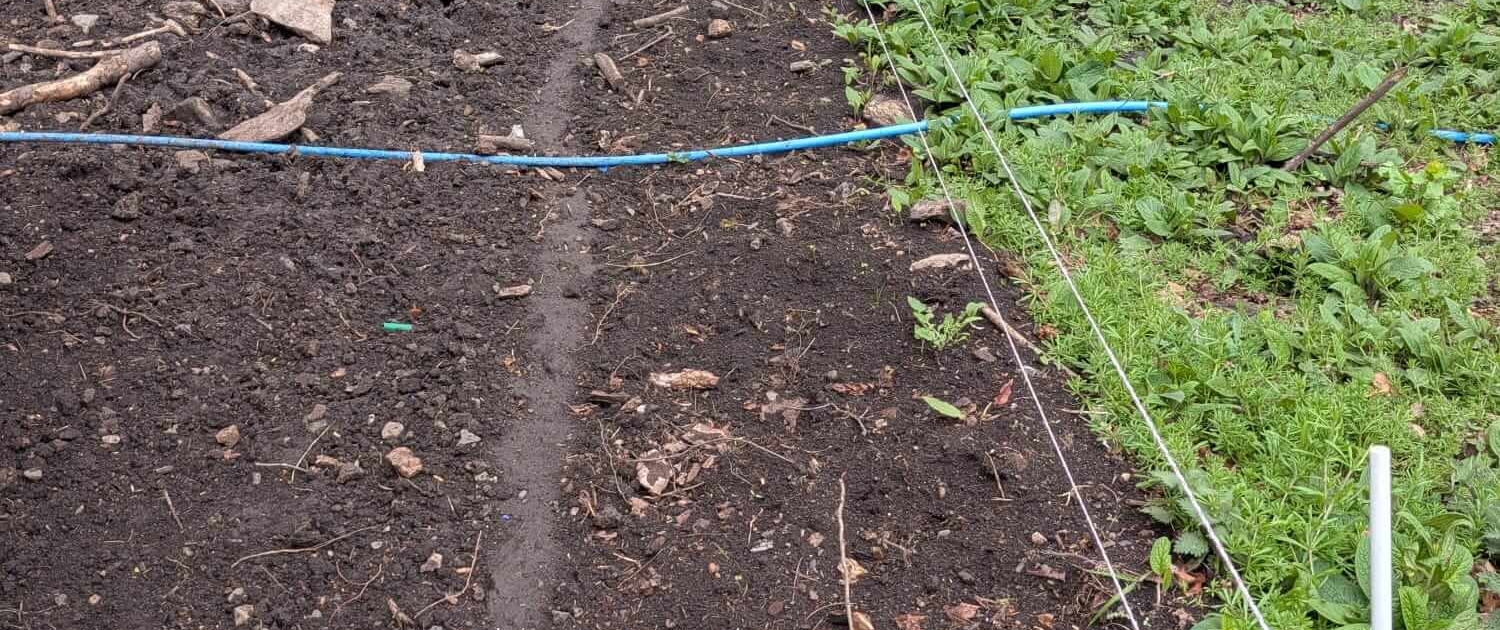
Signs of rats in the garden may include greasy marks near walls, droppings close to bins or repeated movement around the same areas at dusk.

Keeping gardens tidy and reducing easy food sources can help limit attraction, but persistent activity usually requires professional assessment.

Our existing Rats in Edinburgh in 2025 blog can also help homeowners understand current rodent trends locally.

picture showing a rat run taken by anglo pest control

5. Repeated Sightings in the Same Area

Seeing one insect or rodent does not always mean there is a major infestation. However, repeated sightings in the same location are usually worth paying attention to.

This could include:

  • Mice regularly appearing in kitchens
  • Ant activity around doors or patios
  • Rodents near bins every evening
  • Fleas repeatedly appearing indoors
  • Cockroaches or insects in the same room
  • Birds gathering around roof spaces

Patterns matter more than isolated sightings.

If activity becomes more frequent or starts spreading into multiple areas of the property, there is often an established source nearby.

For broader household infestations involving ants, fleas or crawling insects, insect control Scotland services can help identify the cause.

6. Wasp, Bee or Hornet Activity Around Entry Points

During spring and summer, repeated wasp activity around one area of the property is often a strong sign of a nearby nest.

Watch for:

  • Wasps flying into rooflines repeatedly
  • Activity around vents or eaves
  • Wasps entering cracks in roughcast
  • Increased activity near sheds or garages
  • Buzzing sounds from loft spaces

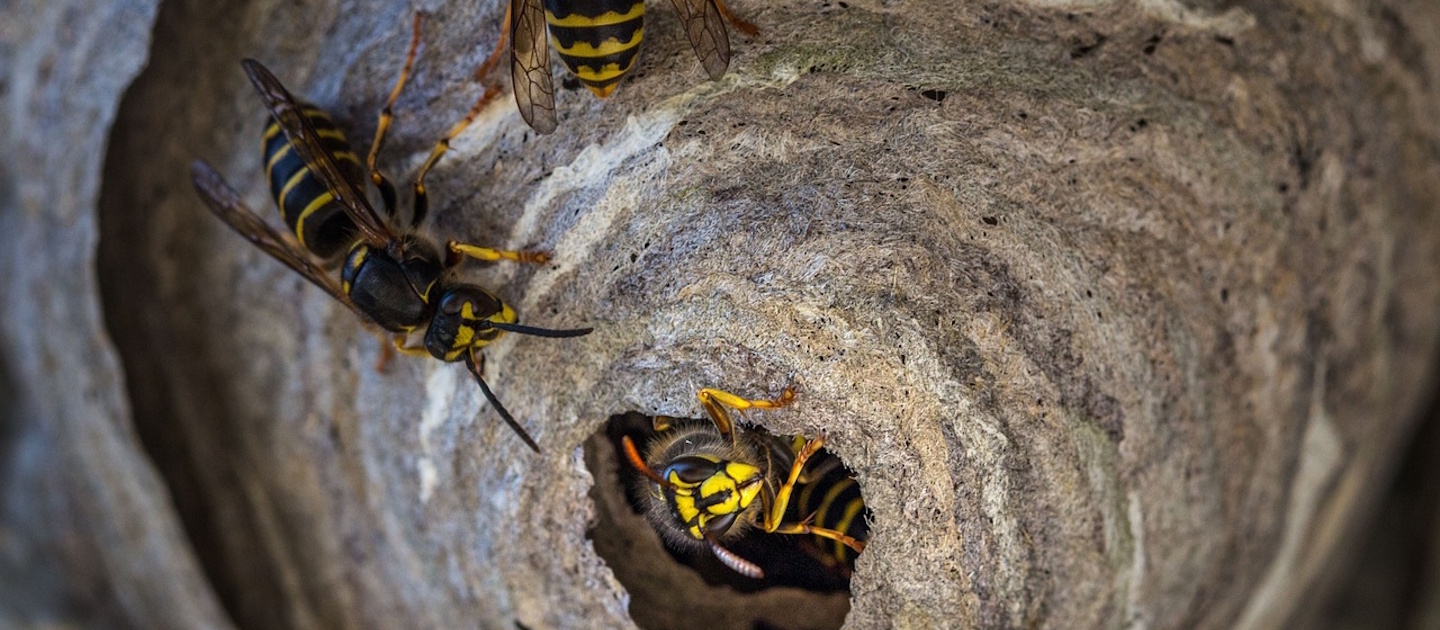
Many wasp nests are hidden inside wall cavities, lofts or garden structures, meaning the insects themselves are often the first visible clue.

Trying to remove a nest yourself can be dangerous, particularly if the nest is active or difficult to access.

If you suspect nest activity, wasp nest removal in Edinburgh services can safely identify and remove the problem.

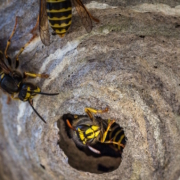
close up view of a wasp nest with wasps

7. Damage to Plants, Fabrics or Stored Items

Some pests leave signs through gradual damage rather than obvious sightings.

Inside the home, this may include:

  • Holes in carpets or clothing
  • Fabric damage in wardrobes
  • Small insects around stored materials
  • Bed bug bites or marks on bedding

Outside, you might notice:

  • Plants being eaten repeatedly
  • Bird mess around roofs or patios
  • Damage around sheds
  • Disturbed bird seed or pet food storage

Moths can quietly damage fabrics over time, particularly in undisturbed storage areas. If you are noticing repeated damage to carpets, rugs or clothing, moth control in Edinburgh may be needed.

For bedroom related pest concerns such as bites or staining around mattresses, bed bug removal Scotland services can help assess the situation safely.

What To Do If You Notice These Signs

If you spot signs of pest activity, try not to panic. Early action is usually far more effective than waiting for the problem to grow.

Practical first steps include:

  • Avoid handling pests or nests directly
  • Take photos of droppings, damage or activity
  • Remove accessible food sources
  • Secure household bins properly
  • Tidy clutter around sheds and storage spaces
  • Check for obvious entry gaps where safe
  • Monitor whether the signs continue appearing

It is also worth avoiding DIY treatments if you are unsure what pest is involved. Incorrect treatments can sometimes spread activity further or create safety risks.

When Should You Call A Pest Control Company?

Professional pest control advice is usually worthwhile when:

  • Droppings keep returning
  • Scratching noises continue at night
  • You suspect a wasp nest
  • Wiring or insulation has been chewed
  • Pests are spreading indoors
  • You are seeing repeated rodent activity
  • Bed bugs or fleas are suspected
  • Birds are causing ongoing mess or damage

A local pest control team can identify the source of the problem, assess how established it is and recommend the safest treatment approach.

For households across Edinburgh and surrounding areas, pest control Edinburgh support is available for domestic pest issues including rodents, insects, wasps and bird related problems.

You can also explore the wider domestic pest control services available through Anglo Scottish Pest Control.

FAQs About Pest Problems Around the Home and Garden

What are the first signs of a pest problem?

Common early signs include droppings, unusual smells, scratching noises, gnaw marks, burrows and repeated sightings around the same area.

Does one mouse or rat mean there is an infestation?

Not always, but repeated sightings or additional signs such as droppings and chewing usually suggest ongoing activity nearby.

Why can I hear scratching noises in my loft at night?

Rodents are often more active after dark. Scratching or scurrying noises in lofts or walls can point to mice or rats moving through the property.

What are the signs of rats in the garden?

Burrows, droppings, grease marks near walls, disturbed bins and repeated sightings around sheds or compost areas are all common signs.

Can pests damage electrical wiring?

Yes. Rodents frequently chew cables and wiring, which can create safety concerns if left untreated.

Should I try to remove a pest problem myself?

Simple prevention steps can help, but active nests, repeated rodent signs or larger infestations are usually safer to handle professionally.

Need Help Identifying A Pest Problem?

Not sure what pest you are dealing with? Anglo Scottish Pest Control provides discreet local pest control services across Edinburgh, the Lothians, the Scottish Borders and central Scotland.

Whether you have noticed scratching noises, droppings, wasp activity or signs of pests in the garden, the team can help identify the issue and recommend the next steps.

Call 0131 452 8228 or use the online enquiry form for advice or to arrange an inspection.

mice in edinburgh guide

Edinburgh’s history, character and beautiful old homes make it particularly vulnerable to pest problems.

mingy looking rat carrying diseases

In recent months, Anglo Scottish Pest Control has dealt with many rat problems. Learn more about this problem in Edinburgh.

a small house mouse

Many pests are only a problem during the warmer months. Learn which pests you need to be on the lookout for all year round.

close up view of a wasp nest with wasps

Learn how to identify and remove a wasp nest safely in our comprehensive guide.

pest control Edinburgh rubbish problems

The Daily Mail article claims Britons are being forced to flee their homes due to a serial insect infestation fuelled by the humid weather.

Most bed bugs are found in the bedstead or frame. We carried out an inspection in this hotel in the Edinburgh town centre. In this case, the bed bugs were at the wall and floor junction. You can clearly see the bed bugs and their eggs on the back of the headboard.

Deep beneath Edinburgh’s Royal Mile lies a dark secret. Once rife with the plague, a narrow close is buried underground in Edinburgh’s City Chambers.

pest control herbs

How to get rid of rats without poison is a hot topic with gardeners. These creatures want access to gardens because it is a constant source of food and a great place for hiding.