
Top tips from an expert pest controller on how to reduce the number of wasps in your garden.
Are nuisance pigeons causing damage to your property? Our preventative solutions stop pesky pigeons from damaging your buildings.
The common bed bug or Cimex lectularius to use their Latin name have been feeding off humans for thousands of years.
Bed bugs love nothing more than to feast on human blood and they thrive in warm environments. They are typically 4-5mm in length and can grow up to 3mm wide. These dimensions coupled with the fact they’re most active at night, make them very difficult to spot with the naked eye.
Bed bug bites are most commonly found on the arms, neck and face – in other words the areas that are usually exposed while we sleep.
How to tell if you’ve got bed bugs
There are a number of tell-tale signs that you may have bed bugs. Whether it’s in your own home or a hotel/B&B you run, look out for the following clues that bed bugs are around:
Housing relationships between the landlord and the tenant can sometimes be fraught with stress and often who responsibility falls to between each entity can sometimes be confused.
Whilst usually landlords and tenants generally have very few encounters, i.e boiler repairs, appliance breakdowns etc, sometimes we need to be careful in understanding who is liable when an issue arises.
We often have calls from customers around pest infestations and one of the first questions we generally get asked by the customer is am I liable (if it’s the tenant) to pay the bill for this or is the landlord? When healthy and safety and hygiene issues are involved it’s often difficult to establish who is at fault and therefore liable to pay for any treatment.
Who does the fault lie with? Is it the tenant’s fault for failing to keep up with hygiene in the property? Or is it the landlords ‘lack of care’ that has caused the pest issue in the first place?
Bed Bug Infestations & Housing
Female bed bugs can lay over 5 eggs per day and it only takes a few weeks for these eggs to mature into full sized and sexually mature adults. It’s a common misconception that bed bugs are driven by dirt but in fact they attracted to the smell of human flesh and blood.
Bed bugs are small, brown insects that most often inhabit areas near your mattresses.
- Bed bugs feed off of human blood and their bites can cause painful and itchy skin reactions.
- Bed bugs are most active at night, making it almost impossible for those living with an infestation to sleep.
- Bed bugs are also notoriously difficult to get rid of because of how quickly they can multiply.
The pesky bed bug is a blood sucking pest which can easily be introduced to a rental property through baggage after being on holiday, clothes etc and because of this, it makes figuring out where responsibility lies for the infestation more complex.
Establishing whether or not the tenant has brought the bugs into the property is not an easy task or whether or not the bed bugs already existed in the mattress, couch or the house in general when the tenant moved in.
Landlord’s Bed Bug Responsibility
The landlord owns the property and is ultimately responsible for their tenants peace, comfort and wellbeing to a certain extent. But in this day and age landlords are indeed becoming more hands off and profit driven, so what are their actual legal responsibilities?
- Thorough checks: Landlords by law must conduct in-depth checks into the safety and cleanliness of their property, this before and during any tenancy. If they do their checks properly, they should be able to discover an infestation and ensure they remove it before they allow any tenant to sign for the property.
- Refusal of accountability: If the tenants can prove that the bed bug infestation existed before they moved in, they can report this to their local council. The council will then investigate the case, which will often result in the landlord having to pay for the removal of the pest.
Tenant’s Bed Bug Responsibility
When a tenant signs a new lease to rent a property, they should expect to be able to move into a property in liveable and comfortable conditions such that they should be able to enjoy the property without hindrance.
However, as tenants, they are responsible for the general upkeep of the property which includes cleanliness and basic maintenance i.e cleaning, hoovering, disposal of waste etc
- Establish a timeline: One can figure out who might be responsible for bed bug infestation by establishing a timeline. Responsibility lies the timing and when the bed bug infestation is discovered. If the tenant is immediately experiencing red, itchy bites upon moving into their new home, then it is obvious that the infestation existed before the tenant moved in and thus the landlord is liable. However, if it is a few months after the tenant moved in, it is most likely accidental contamination by the tenant which means they may have to pay for their removal.
How to Deal With a Bed Bug Infestation
Whether you are a landlord or tenant that is suffering from a bed bug infestation, it is always best to call in a professional pest removal team to deal with the bed bug issue. It is essential that you catch a bed bug infestation early to ensure a quick extermination as bed bugs multiply incredibly quickly.
We offer professional bed bug removal services for customers in Edinburgh, the Lothians and Borders.
The last thing anyone wants is mice in their home or business. Aside from the shock they give you when you first see them they can also cause a lot of damage such as chewed up papers and electrical wires. Damaged electrical wires can also lead to electrical fires. Mice can contaminate food and spread disease. Getting rid of a mouse infestation can be difficult so prevention is always better than the cure! This is why the pest controllers at Anglo Scottish Pest Control have put together this guide to help you identify signs of mice and how to keep them away from your property.
Signs of Mice in a House
When mice first occupy your property, they often go unseen, usually until the infestation is well established. This is why it is so important to be on the look out for signs of mice so that you can eradicate the infestation early! Signs of mice include:
- Small rice like droppings, dark in colour – can be found alongside walls or in areas where food is stored.
- Chewed holes in boxes, packets and tubs.
- Gnaw marks.
- Greasy, dirty marks on floors, skirting boards and even tables and worktops.
- Shredded paper or wood shavings.
- Change in pet behaviour, they may sense or smell the mice.
How to Keep Mice Out of a Home or Business
- Block All Entry Points – This is probably the most important preventative measure you can take. Ensure all big and small cracks and holes around your property are sealed up to stop mice from having easy access to your property. Pay close attention to gaps around pipes and vents. Look for any cracks in the foundations and walls and check windows and doors are all sealed correctly.
- Seal Bins – Bins provide a substantial food source for mice so it is important that you don’t overfill them and ensure they are always fully shut. This is essential for both outdoor and indoor bins. Try and store outdoor bins as far away from your property as possible.
- Bird Feeders – If you have bird feeders in your garden then position them as far away from your property as possible. The mix of feed in most bird feeders is a massive treat for mice so just be mindful that when using bird feeders it’s not only birds that are attracted to the food that’s in them!
- Plants and Shrubs – Any plants and shrubs around your property need to be well maintained as this takes away potential hiding spots for mice. It also allows you to check the foundations near the planting for any cracks and holes that may provide an entry point for mice.
- Seal Dry Foods – Foods such as flower, sugar, and anything else that is stored in bags or cardboard boxes are easy targets for mice so you should transfer these products into metal, glass or plastic tubs as soon as you have purchased them. Try and store them on high shelves or in the fridge. If mice can’t smell food at your property then they aren’t likely to take up residence there!
- Clean – Keep on top of the cleaning, make sure any spills are cleaned up straight away and sweep or hoover any crumbs that may be on the floor or worktops.
- Seal Pet Food – Both dry and wet pet food is a huge attraction for mice. Once opened store it in a tightly sealed container well above ground level.
- Close External Doors – Leaving doors open at your property particularly, during the colder months is just inviting mice into your nice warm home. Try and close the door behind you as soon as you enter or leave your property. If you are letting pets outside then close the door behind them and let them back in when they are ready.
If you are having problems with mice at your home or business then contact Anglo Scottish Pest Control for their rodent control services or call 0131 452 8228


Photo of German wasp
Wasps are commonly known for being a nuisance pest and in some cases can be a danger to human health and in some cases, it is necessary to destroy a wasp nest.
Treating a wasp nest can be a dangerous job. The wasps inside the nest will feel threatened which causes them to become aggressive. In turn the wasps will start to sting you to defend their nest, and this can result in multiple stings. Unlike bees, wasps can sting multiple times without dying so one wasp is capable of quite a few stings!
Not every wasp nest will need destroying so if it is well away from your property or in a rarely used space it might be best to just leave it alone. Once the summer is over wasps will abandon their nest and will not return to it the following year.
What To Expect from Professional Wasp Control?
To get rid of wasps it is not always necessary to remove the nest, but it will need to be treated.
In order to keep you and your family safe it is always recommended that you use a professional pest controller to treat or remove a wasp nest. A professional pest controller has the technical knowledge and access to a range of professional use insecticides which are not available to the public. They also have the appropriate protective equipment to avoid getting a nasty sting.
A pest controller will usually apply an insecticide near the entrance of the nest. The wasps then bring the chemical into the nest and after a couple of days the wasps will die from the pesticide.
Even if you think the wasp’s nest at your property is at an inaccessible height, professional pest controllers will have the tools to reach and treat the nest in the safest possible way.
You can ask your local pest controller to come and remove the nest after a few days, but this ca sometimes include an extra charge. Alternatively, you can wait until then end of autumn or early winter when there is no chance of any life being left inside and you can remove the nest yourself. If the wasp nest has been treated with pesticides, then it is recommended that you wear protective clothing and gloves.
DIY wasp control
Although an insect spray will quickly kill any wasps you hit in flight, the sheer number of wasps per-nest means this is probably a waste of time.
There are many DIY wasp nest removal guides online. They’re all very dangerous and not recommended by us.
When wasps feel threatened, they release a chemical to call for help from the rest of the nest. While being stung by one wasp isn’t normally dangerous, 30 or 40 stings could kill you.
DIY products can be effective for dealing with small nests in the early Spring, however they’re unlikely to help with a large, established nest. Professional pest controllers have access to professional use products.
NEVER attempt to deal with a wasps’ nest if you think you might be allergic to stings.
If you need help getting rid of wasps at your property then contact Anglo Scottish Pest Control today – 0131 452 8228
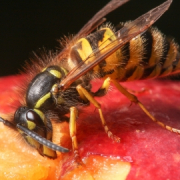
If you notice a large number of wasps that seem to be concentrated in one particular area, then it is likely that there is a wasp nest nearby. Unlike bees, wasps are an unwelcome pest in any garden or home, this tends to be because they can be much more aggressive than bees and when they attack and they are able to sting multiple times. Wasps won’t hesitate to attack anything they consider to be a threat to their nest. Although wasps don’t usually go around stinging humans unprovoked, when the nest becomes overcrowded, and the summer temperatures start to rise the wasps can become agitated and start to sting with little or no provocation.

Wasps are the sort of pests that nobody likes, despite them being somewhat useful insects around the garden by eating other flies and insects. Many people fear wasps especially those that might be allergic to them. If you ever find yourself being stung by a wasp and you haven’t been stung in the past you […]

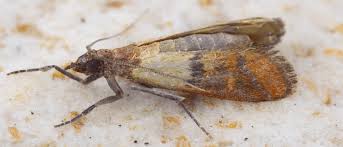
Moths are a nuisance and many of us will have come across them at some point. Moths are very destructive creatures and can be a pain to deal with. However, when you discover a moth infestation there are certain steps you can take.
Getting to Know Moths
Familiarising yourself with moths and their habits is essential when it comes to eliminating them from your home. Moths avoid the light and tend to seek out dark spaces. It is not actually adult moths that cause destruction to clothes it is their larvae. If you see months flying around it is likely flour and grains, they are seeking out to infest.
What Do They Damage?
Moths damage various items in your home, depending on their variety. If you are dealing with clothes moths, their larvae will destroy clothing. Carpets are another favourite for moths. The kind of moth you find in your pantry will destroy edible goods such as flour and grains.
Recognising An Infestation
Damaged clothes is a major tell tale sign that you are dealing with a moth infestation. Damage to carpets it another sign. You may find moth eggs in the corners of drawers and wardrobes. Food moths are often discovered because you can see them flying around.
How To Prevent Moths?
You can prevent moth infestations if you keep them from entering your home. Keeping your home clean and hoovering regular will eliminate any eggs and larvae that have been distributed.
When storing clothes be sure to wash them first, sweat and particles of food will attract moths, so washing clothes before putting them away will prevent this, it will also take away the risk of storing clothes that may already have moth larvae on them.
Some essential oils can be used to repel moths. Lavender is one in particular that moths will avoid and help keep them well away. You can make up small pouches and leave them in drawers and wardrobes. You can even make up a spray bottle and spray around your home regular.
How To Get Rid Of Moths?
When you realise you have a moth infestation you need to act fast. You can use sprays for moth infestations in carpets, and thoroughly clean the area to get rid of any eggs and larvae that could pose a problem in the future.
Freezing is a great chemical-free way to get rid of moths from clothing and other small items. Wash your clothing and other washable items in the washing machine and dry them on the hot setting if possible.
For pantry moths you will need to get rid of all affected food items, clean the pantry down with hot soapy water and bleach. Every shelf and container should be thoroughly cleaned.
Moths are a nuisance pest and cause a lot of damage if left untreated. If your having problems with a moth infestation, then contact Anglo Scottish Pest Control today – 0131 452 8228